Defining “camp” or a “summer youth camp” is more difficult than it might first appear. We all tend to speak about camps, and understand summer camps as somehow special. We believe they can be defined, shown to be unique and different than other youth development organizations or experiences. The difficulty of defining “camp” starts to become clear, however, when faced with a definition that is too wide, vague or ambiguous. For example, saying “a youth camp is a place to have fun” seems inadequate. After all, it’s easy to think of very “non-camp-like” examples that would fall under this vague definition. Is going to a movie, or playing video games in an arcade, or riding a bicycle (all ways to have “fun”) a “youth camp?” Certainly not. Conversely, defining “summer camp” is difficult because a definition could be inadequate by being too limited or restrictive. Would we all agree that a youth camp is “a day program to teach teenage dyslexic boys how to play chess?” Certainly not because we can think of many examples of camps that don’t match up with this narrow definition.
 The challenge is to establish a definition that’s not too wide, thereby allowing anything to be included in our understanding of “camp,” and not too narrow so as to exclude clear examples of a summer camp.
So, how do we do it? What would be an adequate definition of summer camp? It’s important to realize, first of all, that by asking for “an adequate” definition, I am suggesting that there is more than one definition we might write, each of which being more or less suited to any particular context, or need for a definition. Put differently, there really isn’t one correct definition of camp. There are many. An adequate definition of camp is a matter of deciding on the right level of specificity for our purposes, and since these can vary, so can our definition. If we wish to distinguish “youth camps” from schools, we might write a very different definition than if we want to claim camps are distinct from amusement parks.
With that caveat, here are two methods of defining summer camp that are broadly adequate.
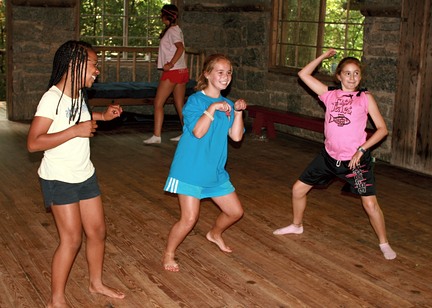
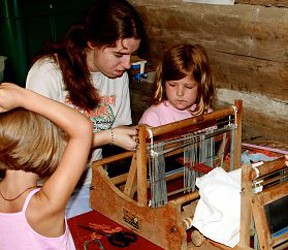
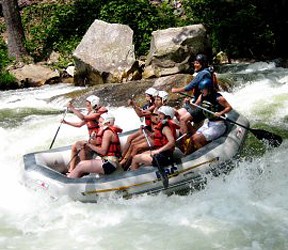
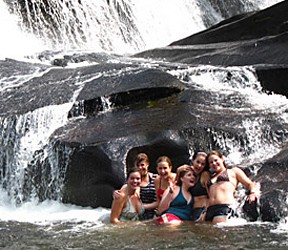
1. A summer camp is a youth development organization, supervised by professional adults, that strives to foster personal growth for children by providing them fun, safe educational/recreational programs, outdoor experiences and group activities while away from home during the summer months.
2. A summer camp is a youth development organization that may: a) serve a single gender or be coed, b) serve a narrow range of ages or a wide range, c) serve clients with special needs or the general population, d) provide a specific narrow group of activities or a broad general program, e) be residential or operate only for limited hours during the day, f) include religious training/guidance or be non-religious, g) operate in a single location or focus on trips/travel, h) be a for-profit business or non-profit, i) be private and independently owned or overseen by an agency.
The first definition relies on what summer camps do, on their unique functions as youth development organizations, while the second definition focuses more on the range of substantive attributes camps express as organizations. Again, both definitions are merely adequate because they could easily be made more exclusive by adding functions or attributes, as the case may be, or more inclusive by removing criteria from each.
For now, we can recognize the context-dependent nature of these definitions, and still celebrate the unique goals and accomplishments of summer camps, the benefits they provide children, and the organizational character they have sustained for 150 years.